
About
Funded by the Canadian Institutes of Health Research (CIHR), the Canadian Research Initiative in Substance Matters (CRISM) is a national research consortium of more than 1,400 members. It focuses on substance use disorders and brings together five large interdisciplinary regional teams (nodes).
Each CRISM node is an expert network that includes research scientists, service providers, policy makers, community leaders, and people with lived experience of substance use disorders. Together, these teams work to translate the best scientific evidence into clinical practice and policy change. CRISM is a 5-year initiative, modeled in part on the US National Institute on Drug Abuse’s Clinical Trials Network.
CRISM received its initial 5-year funding and was later renewed for an additional 6 years, beginning on April 1, 2022.

British Columbia Node
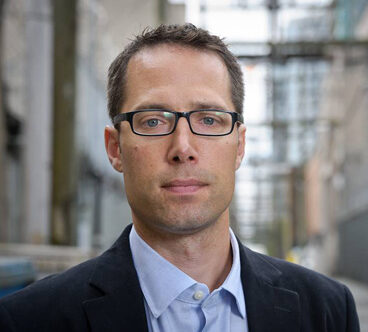
The CRISM BC Node is led by Dr. Evan Wood, an addiction medicine physician, clinician scientist, and Professor of Medicine at the University of British Columbia. The BC Node brings together an interdisciplinary expert network of more than 100 contributing members, including advocacy groups, policy makers, service providers, and research scientists. The network is affiliated with the BC Centre on Substance Use, the University of British Columbia, Simon Fraser University, and other institutions. It also works closely with regional health authorities and the provincial government. Through the translation of scientific evidence into practice and policy change, the network promotes evidence-based approaches to addiction treatment and trains the next generation of leaders through its comprehensive education programs.
To ensure that research priorities align with the lived experience of people affected by substance use disorders, the BC Node maintains strong partnerships with community and advocacy groups. These include the BC Association of People on Methadone (BCAPOM), the Vancouver Area Network of Drug Users (VANDU), the Western Aboriginal Harm Reduction Society (WAHRS), From Grief to Action (FGTA), and Moms Stop the Harm. In addition, the network’s connections to treatment providers, health system administrators, and government policy-makers—along with its training infrastructure and its national and international collaborations—position it well to lead collaborative research and support the implementation of evidence-based therapeutic approaches.
To learn more about the CRISM BC Node, click here.
Prairies Node
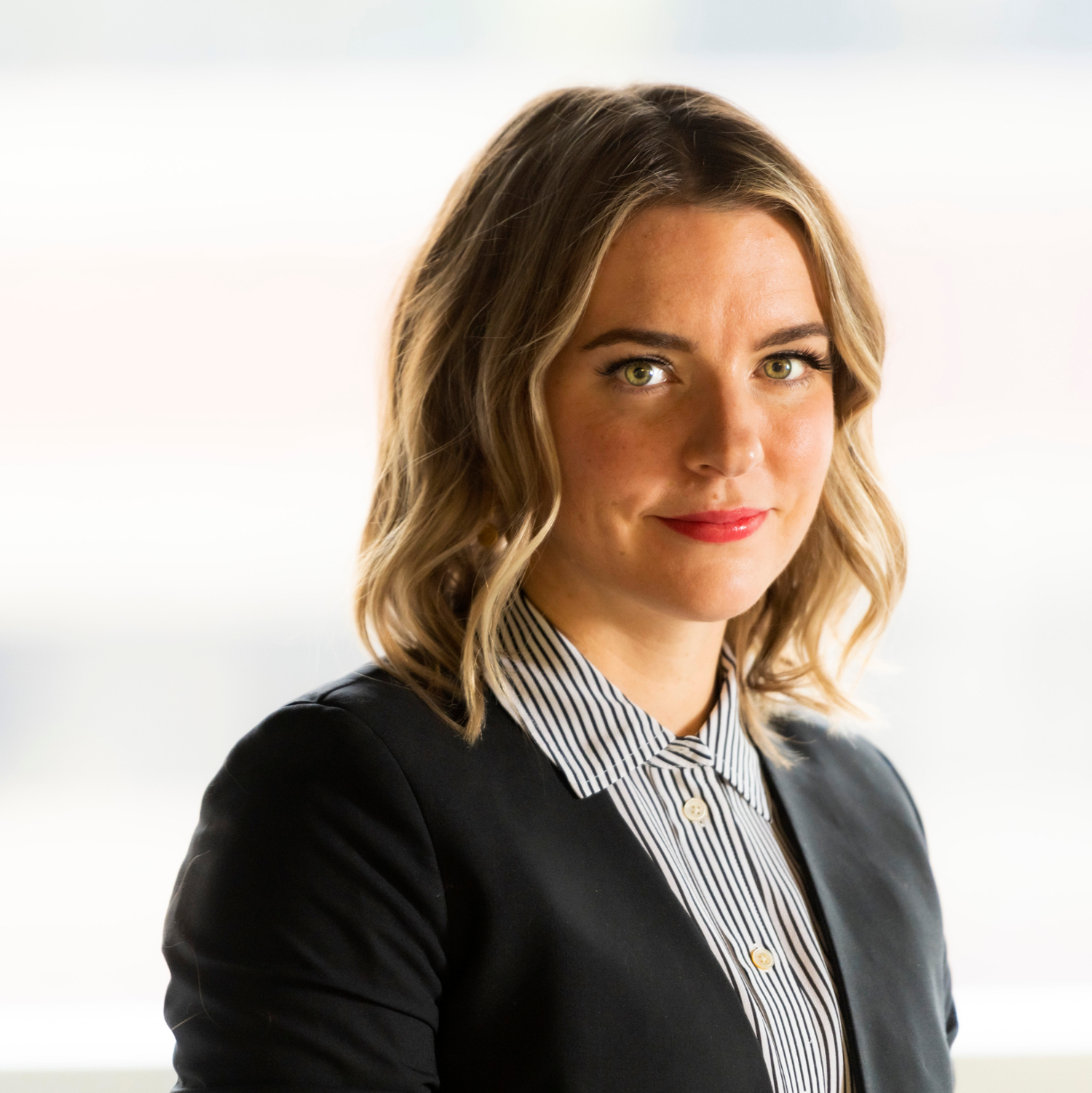
Dr. Elaine Hyshka is an Associate Professor and Canada Research Chair in Health Systems Innovation at the University of Alberta’s School of Public Health, and Scientific Director of the Inner City Health and Wellness Program.
Her program of health systems and services research is focused on advancing a public health approach to substance use in Canada. She works closely with service providers, health authorities, people with lived experience of substance use, and all levels of government to identify, evaluate, and scale systems innovations for improving health outcomes and advancing health equity.
Today, the CRISM Prairie Node brings together more than 400 members, including investigators, system and program managers, policy makers, and consumer advocates. All recognize the need for stronger regional collaboration to address substance misuse and addiction, and they have committed to working together through the Prairie regional CRISM Node.
To learn more about the CRISM Prairie Node, click here.

Ontario Node
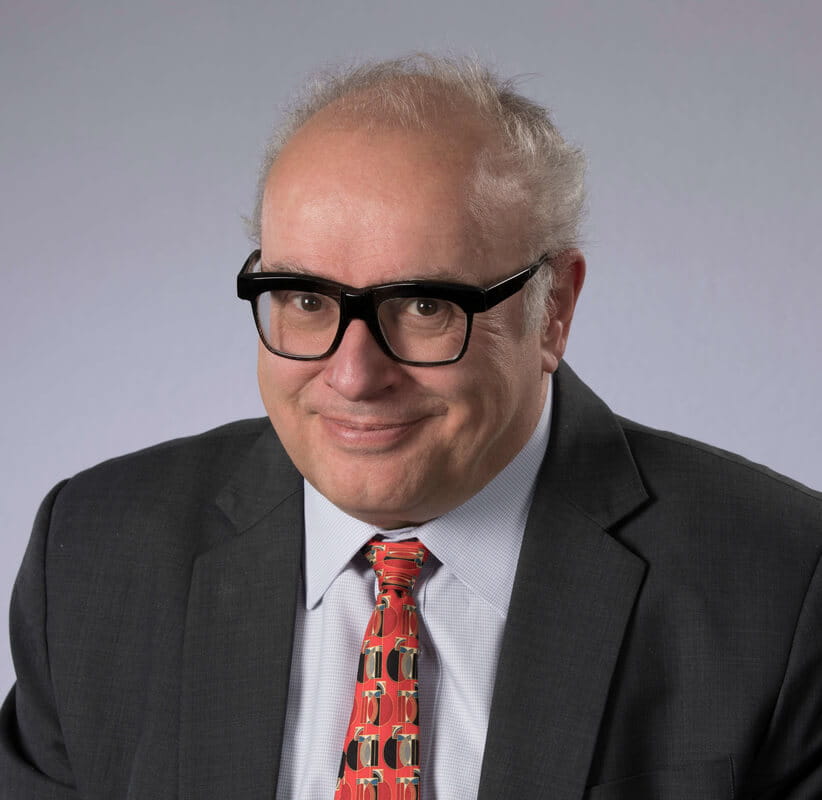
The Ontario Node, known as OCRINT (Ontario CRISM Node Team), is led by Dr. Fariah Ali, Ph.D. and Dr. Jürgen Rehm Ph.D.
Dr. Farihah Ali is a Scientist and Nominated Principal Investigator for the Ontario Canadian Research Initiative in Substance Matters within the Institute of Mental Health Policy Research (IMHPR) at CAMH. Dr. Ali’s current work focuses on substance use and addiction, harm reduction, and speciality-based addiction treatment to help support the development of evidence-informed interventions, and public-policy to support People Who Use Drugs.
Dr. Jürgen Rehm is Senior Scientist at the Institute for Mental Health Policy Research and the Campbell Family Mental Health Research Institute at the Centre for Addiction and Mental Health (CAMH) in Toronto. CAMH is Canada’s largest research and treatment hospital dedicated to mental health and substance use problems.
They lead the Ontario Node alongside a team of Co-Principal Investigators and Knowledge Users. The Node brings together an integrated team of more than 150 members. These include academic investigators from institutions across Ontario, community-based intervention providers, system and policy representatives, and people with lived experience.
To learn more about the CRISM Ontario Node, click here.
Quebec Node
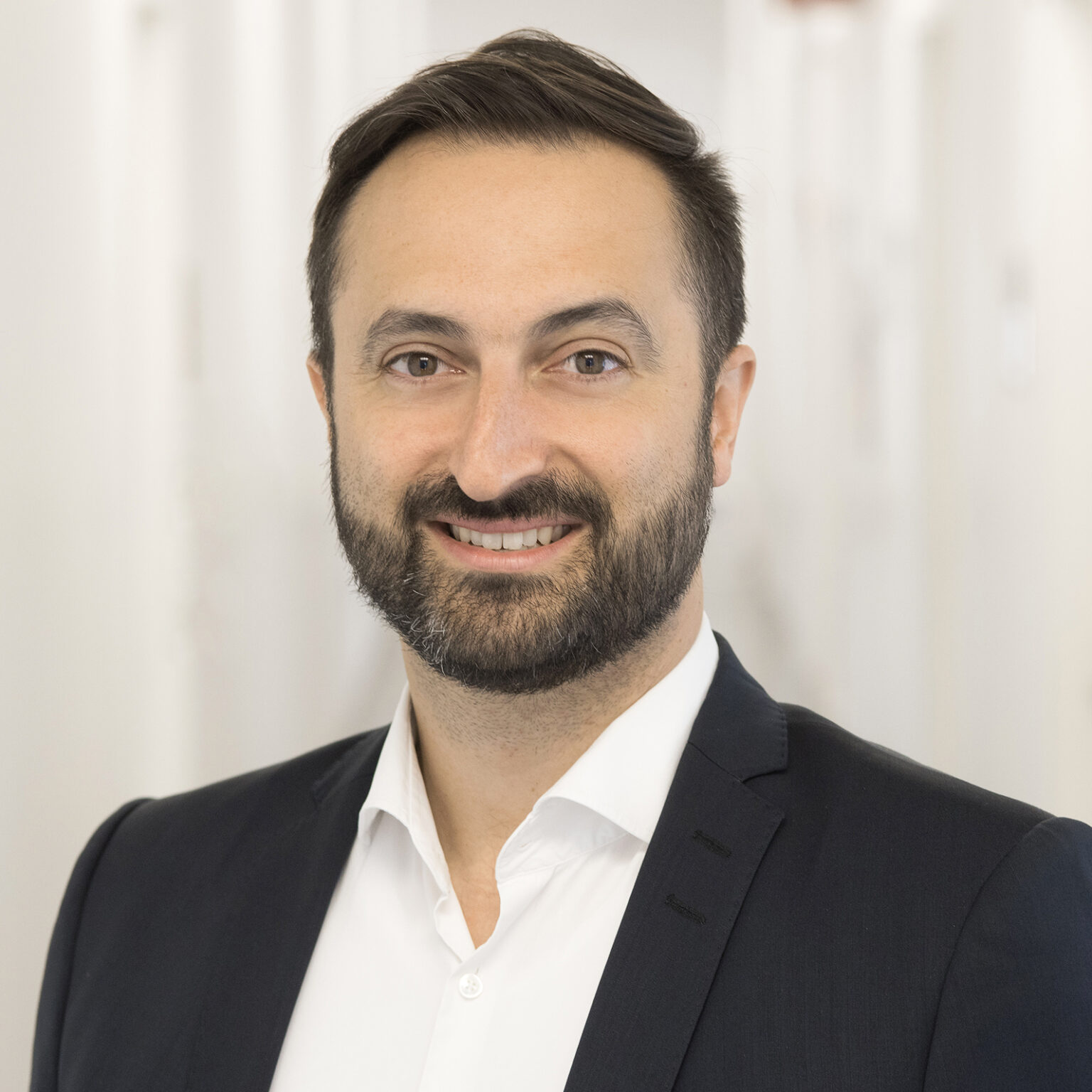
The Quebec Node is led by Dr. Didier Jutras-Aswad, Professor at the University of Montréal. It brings together researchers, clinicians, and knowledge users from across Québec. Members work to identify specific needs and priorities and to generate evidence-based knowledge that responds to real-world challenges through research and collaborative projects. The node also contributes to developing interventional research-based practices and policies with a Canada-wide perspective, aiming to improve the quality of care and quality of life for all Canadians affected by substance misuse.
Node members are involved in multiple projects that accelerate the transfer of scientific knowledge into improved addiction treatment approaches, including pharmaceutical and psychological interventions. They also benefit from the multidisciplinary expertise within the node, which brings together researchers, service providers, and service users who address substance misuse from different angles. This shared vision strengthens knowledge translation and helps improve the health and well-being of people living with substance misuse.
To learn more about the CRISM Quebec Node, click here.
Atlantic Node
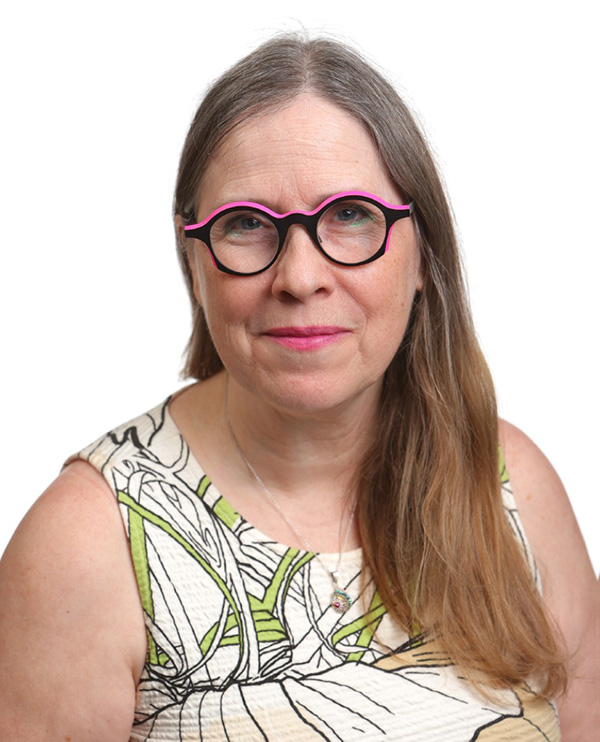
Dr. Sherry Stewart leads the CRISM Atlantic Node. Dr. Stewart, FRSC, is a Canadian clinical psychologist. She is also a Professor of Psychiatry and Psychology at Dalhousie University and holds a Tier 1 Canada Research Chair in Addiction and Mental Health.
To learn more about the CRISM Atlantic Node, click here.