
Exprimer l’invisible présenté à INHSU 2026
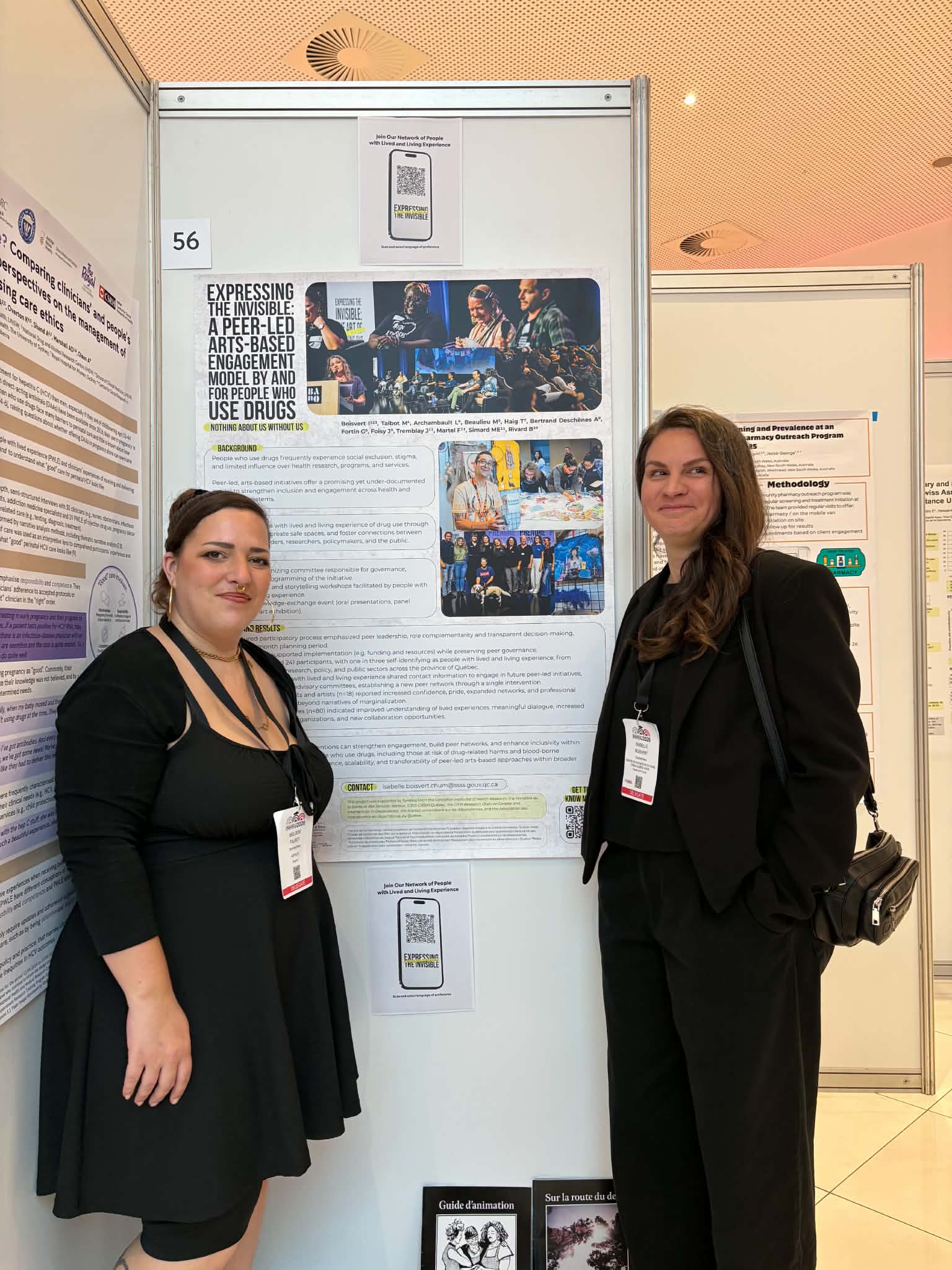
The ‘Expressing the Invisible’ initiative was featured at the 14th conference of the International Network on Health and Hepatitis in Substance Users (INHSU) in Prague, where nearly 700 participants from the fields of research, healthcare, public health and the community sector attended. During the conference, Isabelle Boisvert presented Expressing the Invisible: The Art of Speaking Out, an initiative designed and led by people with lived and living experience. The initiative seeks to recognize, value, and amplify experiential knowledge through knowledge-sharing activities, public engagement events, and creative content development. The presentation highlighted The Art of Speaking Out, an event held in Montreal on September 25, 2025. This event featured presentations, discussions, and an art exhibition showcasing works created by people affected by substance use, homelessness, mental health challenges, criminalization, and sex work. It provided a platform for participants to share their experiences, knowledge, and perspectives while fostering dialogue and mutual learning. Developed through collaboration among multiple partners, Expressing the Invisible serves as a direct and tangible application of the Quebec Node’s Partnerships, Inclusion and Engagement research axis for 2022-2028. By creating spaces where people with lived and living experience can share their knowledge, perspectives, and creativity, the initiative brings the principles of inclusion, engagement, and partnership from research into action. This axis is co-led by Karine Bertrand and Mélodie Talbot. Learn more:
Opportunité de financement pour la recherche sur la santé mentale des jeunes

The Canadian Institutes of Health Research (CIHR) Institute of Neurosciences, Mental Health and Addiction (INMHA) has launched a new funding opportunity focused on Evaluation and Implementation Science for Youth Mental Health. This initiative aims to support research evaluating existing youth mental health interventions delivered in clinical, school, and community settings. Successful projects may receive funding of up to $200,000 per year for three years, for a total of $600,000. Researchers planning to submit an application, as well as organizations delivering youth mental health interventions that could be evaluated through research, are encouraged to explore this opportunity. Support Available Through CRISM The CRISM National Research Support Platform is available to assist applicants throughout the development and implementation of their projects. Support may include: Expression of Interest Individuals interested in receiving support are encouraged to contact the CRISM team by October 19 to allow sufficient time for project evaluation and registration. Contact: Additional Information
L’INSMT se rend à Tiohtià:ke/Montréal dans le cadre de sa tournée nationale de consultation
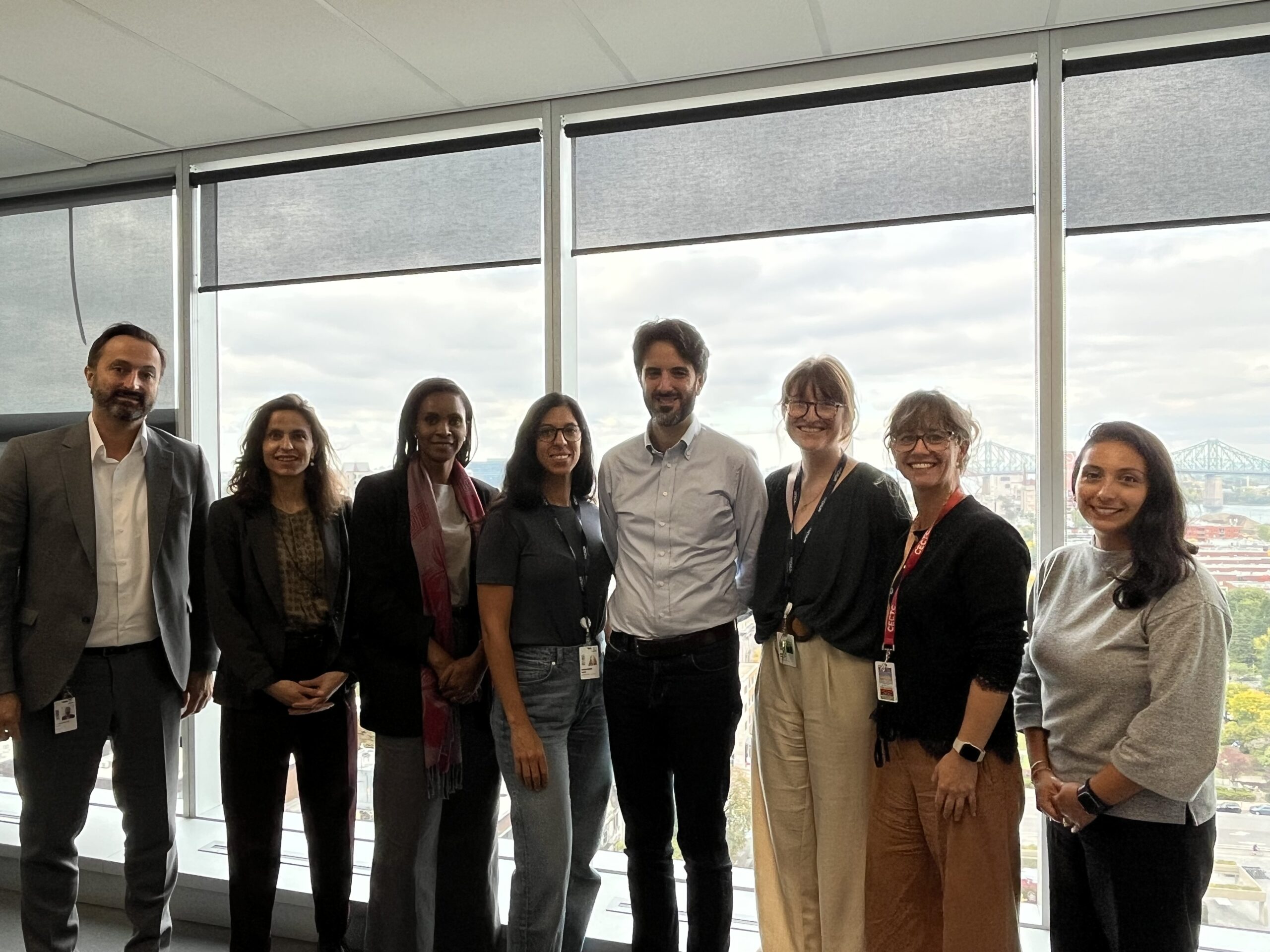
CRISM was pleased to welcome the team from the CIHR Institute of Neurosciences, Mental Health and Addiction (INMHA) to the Centre de recherche du CHUM (CRCHUM) as part of its national Engagement Tour. This stop in Tiohtià:ke/Montreal brought together approximately sixty members of the network for an open discussion with Patricia Conrod, Scientific Director of INMHA. Participants exchanged perspectives on current priorities and future directions for research in mental health, substance use, and neuroscience across Canada. The visit also provided an opportunity for the CRISM scientific team to showcase recent achievements, present ongoing and upcoming projects, and highlight the research priorities identified by its network. These discussions emphasized the importance of collaboration, knowledge exchange, and partnership-building to advance research and improve outcomes in the fields of mental health and substance use. We would like to thank the INMHA team for their visit, their engagement with our network, and the valuable conversations that took place throughout the day. We look forward to continuing these exchanges and working together to strengthen research, innovation, and impact across Canada. Access the supporting documents: CRISM-INMHA Survey Findings
Nouvel épisode du balado de Hard Knox Talks : le parcours de rétablissement et de résilience de Pierre

The CRISM Quebec Node is pleased to share the second Montreal-recorded episode of Hard Knox Talks. In this conversation, Pierre reflects on his journey through crack cocaine addiction, organized crime, incarceration, and recovery. He also speaks about the challenges of navigating trauma and Indigenous identity, and the long road toward rebuilding his life. Today, Pierre works in harm reduction and peer support in Montreal, helping others facing addiction, homelessness, and trauma. His story is a powerful reminder of the impact that compassion, community, and support can have on a person’s recovery journey. This episode is part of a collaboration between Hard Knox Talks and the CRISM Quebec Node to share lived experiences and encourage meaningful conversations about substance use, harm reduction, and recovery.
De la cérémonie à la guérison : le parcours d’Edmundo à travers la dépendance, la psychose et la guérison

In this powerful conversation, Edmundo shares a deeply personal and often harrowing journey that spans continents, identities, and states of consciousness. His story begins in the mountains of Mexico, where psychedelic ceremonies first opened a spiritual lens on life and self-understanding. What followed, however, was a much darker path—one that led to crystal meth addiction, HIV diagnosis, psychosis, and ultimately, a difficult journey toward recovery in Canada. Throughout the episode, Edmundo reflects on the complex intersections of spirituality, trauma, identity, academic pressure, and mental health. He speaks candidly about toxic relationships and the gradual unraveling that accompanied his substance use, including the intense paranoia and hallucinations associated with meth-induced psychosis. Yet this is not only a story of descent—it is also one of rebuilding. Edmundo discusses the turning points that led him toward recovery, the role of accountability, and the tools that have supported his healing. His reflections offer a nuanced perspective on what it means to rebuild a life after hitting bottom, and the ongoing process of self-reconstruction. This episode invites listeners to engage with difficult but necessary conversations about substance use, mental health, and the many paths—both destructive and restorative—that shape a human life.
Un nouveau chapitre pour le pôle Québec
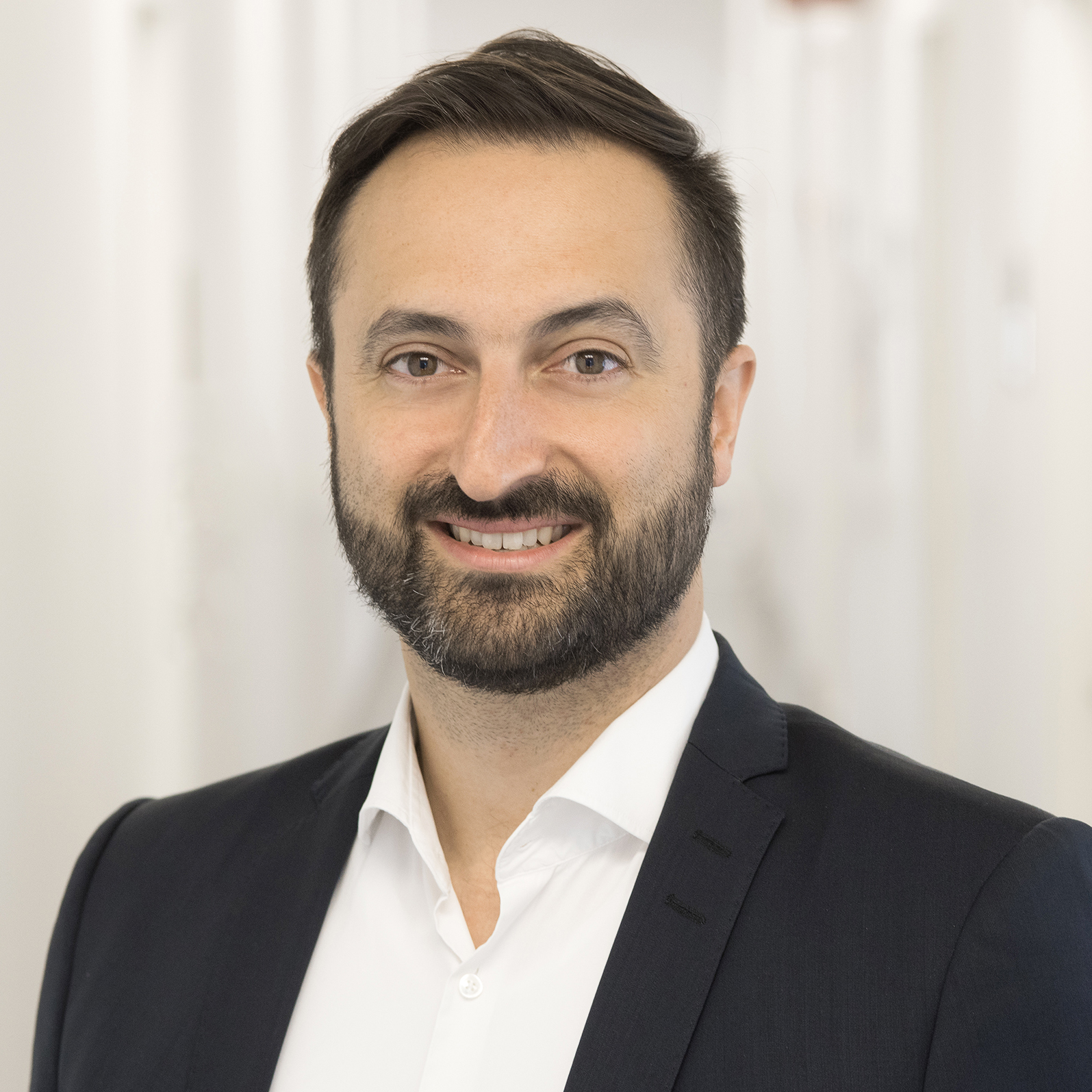
The Quebec Node of the Canadian Research Initiative in Substance Matters (CRISM) is entering a new chapter, marked by leadership transitions that build on more than a decade of growth, collaboration, and impact. After more than 10 years at the helm of the Quebec Node, Dr. Julie Bruneau is passing the torch to Dr. Didier Jutras-Aswad as Principal Investigator. The Node is also recognizing the departure of Aïssata Sako from the management of the Quebec Node and welcoming Fatma Boulouednine to this role. We would like to acknowledge the exceptional contributions of Julie and Aïssata to the development and visibility of the Quebec Node over the years and welcome Didier and Fatma as they begin their new responsibilities. Dr. Didier Jutras-Aswad Named Principal Investigator of the Quebec Node After more than 10 years leading the Quebec Node, Dr. Julie Bruneau is passing the torch to Dr. Didier Jutras-Aswad. A physician, clinician-scientist at the CHUM, and Professor in Family Medicine at the University of Montreal, Dr. Bruneau is a recognized figure in the field of addiction. Her research focuses on the factors involved in HIV and HCV transmission among people who inject drugs, with the goal of identifying strategies to prevent new infections. In 2015, alongside other Canadian researchers, she helped lay the foundations of the national initiative that would become C RISM. We would like to recognize her tremendous contribution to the network and to the broader community of practice. Dr. Didier Jutras-Aswad will now lead the Quebec Node as Principal Investigator. He will continue the work established over the years to advance priorities in research, knowledge translation, and practice improvement. Professor in the Department of Psychiatry and Addiction at the University of Montreal, researcher at CRCHUM, and Head of Psychiatry at the CHUM, his work focuses on substance use and associated mental health comorbidities and concurrent disorders. As the leader of several national clinical trials, he is particularly interested in the effects of cannabis and methamphetamines, as well as the development of approaches and models of care to support people who use these substances. A Transition in the Management of the Quebec Node The face of the Node’s leadership is changing—and so is that of its management. Working alongside Dr. Julie Bruneau since the early days of CRISM, Aïssata Sako is stepping down from the management of the Node this year. The lasting imprint of her rigor and excellence will continue to shape the identity of the Quebec Node. We warmly thank her for the leadership she has demonstrated and for all the work she has accomplished to support the success of the Node and its initiatives. Fatma Boulouednine will now assume responsibility for the management of the Quebec Node. Holding a Doctorate in Pharmacy and an MBA, she brings extensive experience in health research and innovation. Recognized for her leadership in cross-sector collaboration and her expertise in project management and strategic partnerships, Fatma will support the continuity, development, and visibility of the Node and its team. Looking Ahead While leadership roles evolve, the mission of the Quebec Node remains unchanged. As we recognize the contributions of those who helped build and strengthen the Node and welcome those who will guide its next chapter, we look forward to continuing to advance research, knowledge mobilization, and collaboration in the field of substance use and addiction across Quebec and Canada.
#4 | Recommandations sur le traitement par agonistes opioïdes : mise à jour
https://crism.ca/wp-content/uploads/2026/04/ANG_nog_capsule-4_v03-00.mp4 More capsules
Associations temporelles et régionales entre les concentrations de fentanil dans l’offre de drogue non réglementée et la mortalité liée à la drogue en Colombie-Britannique, Canada
Tobias S, Bird J, Guzman SM, Palis H, Crabtree A, Hein JE, Wood E, Ti L., Canada. Int J Drug Policy. 2026
Confiscations, public health obstructions, and perpetual displacement: Experiences and perspectives on urban law enforcement practices during a period of “recriminalization” among people who use criminalized drugs
Singh Kelsall T, Shane C, Speed KA, McDermid J, Rufus-Sedgemore KO, Moen K, Henry P, Boyd J, Marsh S, P O W E R, Beatrice M, Kerr T, Hayashi K., Int J Drug Policy. 2026
#3 | Une considération pour le traitement des personnes enceintes ayant un trouble lié à l'utilisation d'opioïdes
More capsules