Le nœud québécois de l’Initiative canadienne de recherche sur les matières substantielles (CRISM) entre dans un nouveau chapitre, marqué par des transitions de leadership qui s’appuient sur plus d’une décennie de croissance, de collaboration et d’impact.
Après plus de 10 ans à la tête du Québec Node, la Dre Julie Bruneau passe le flambeau au Dr Didier Jutras-Aswad en tant qu’investigatrice principale. Le Node reconnaît également le départ d’Aïssata Sako de la direction du Québec Node et accueille Fatma Boulouednine à ce poste.
Nous souhaitons reconnaître les contributions exceptionnelles de Julie et Aïssata au développement et à la visibilité du Nœud Québec au fil des ans et souhaiter la bienvenue à Didier et Fatma alors qu’ils commencent leurs nouvelles responsabilités.
Dr Didier Jutras-Aswad nommé chercheur principal du nœud québécois
Après plus de 10 ans à la tête du Québec Node, la Dre Julie Bruneau passe le flambeau au Dr Didier Jutras-Aswad.
Médecin, clinicien-chercheur à la CHUM et professeur en médecine familiale à l’Université de Montréal, le Dr Bruneau est une figure reconnue dans le domaine de la dépendance. Ses recherches portent sur les facteurs impliqués dans la transmission du VIH et du VHC chez les personnes qui s’injectent des drogues, dans le but d’identifier des stratégies pour prévenir de nouvelles infections.
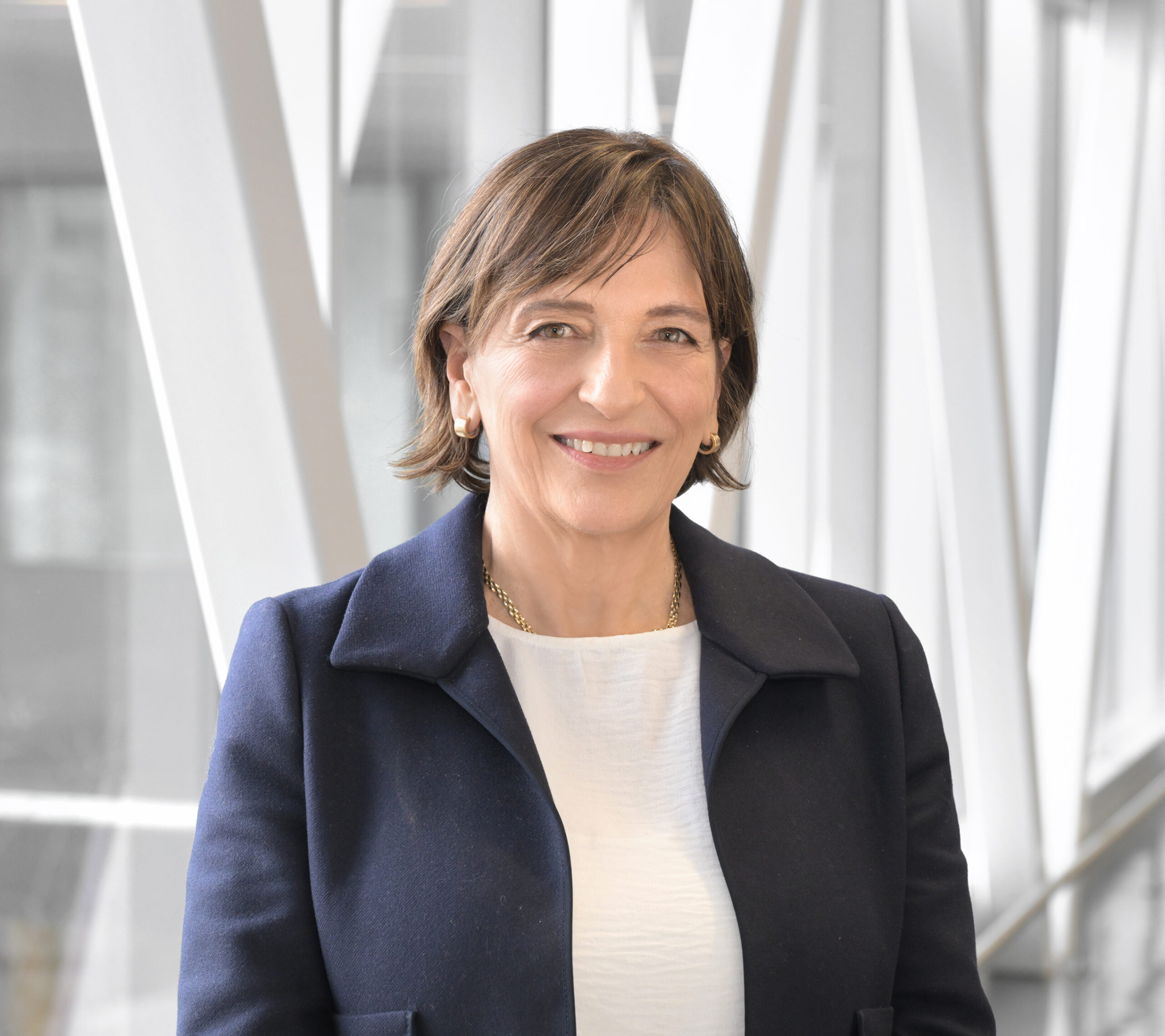
En 2015, aux côtés d’autres chercheurs canadiens, elle a contribué à jeter les bases de l’initiative nationale qui deviendra C
RISM. Nous souhaitons souligner sa contribution considérable au réseau et à la communauté de pratique élargie.
Le Dr Didier Jutras-Aswad dirigera désormais le nœud québécois en tant que chercheur principal. Il poursuivra les travaux établis au fil des ans pour faire progresser les priorités en recherche, traduction des connaissances et amélioration des pratiques.
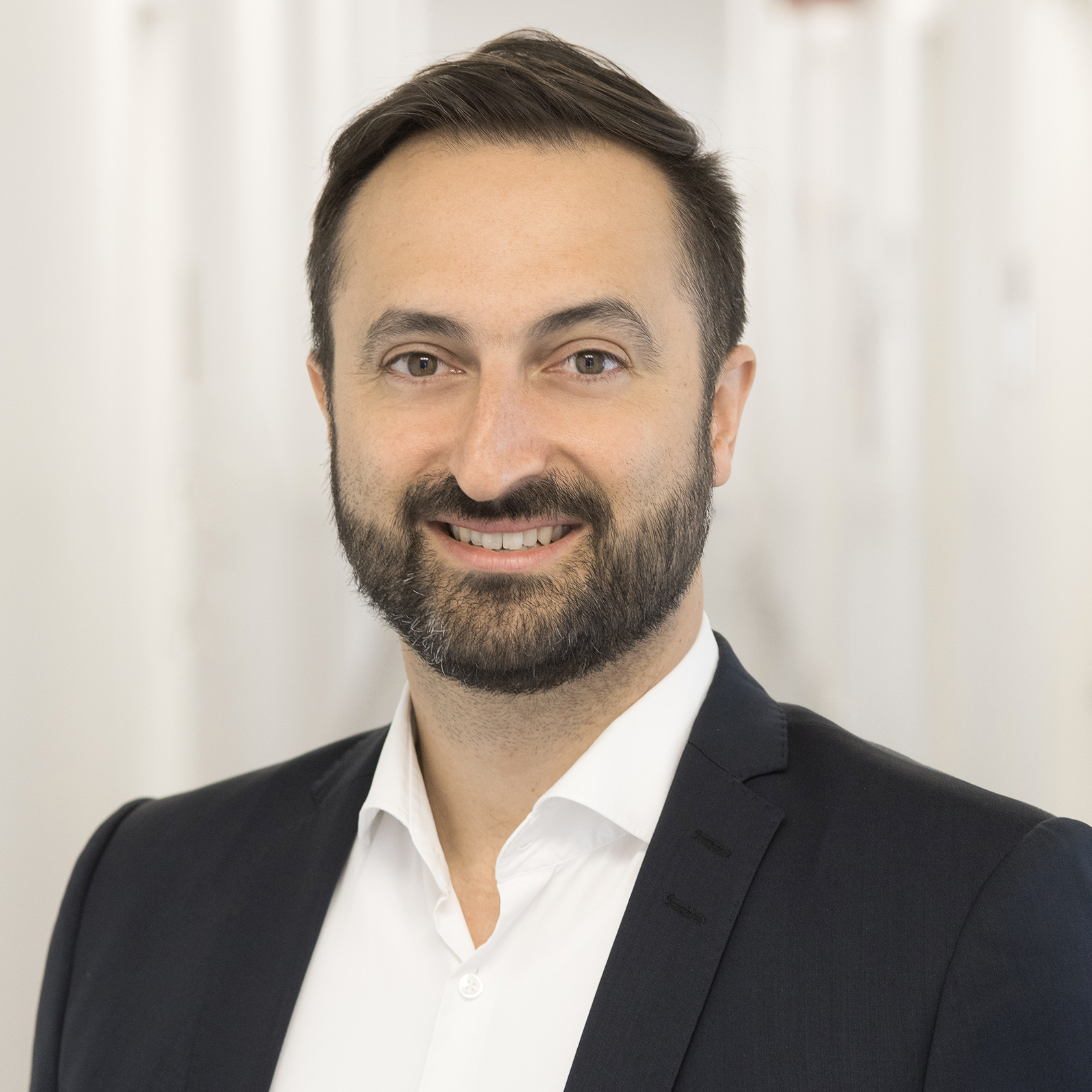
Professeur au département de psychiatrie et toxicomanie de l’Université de Montréal, chercheur au CRCHUM et chef du département de psychiatrie à la CHUM, ses travaux portent sur la consommation de substances et les comorbidités de santé mentale associées ainsi que les troubles concomitants. En tant que chef de plusieurs essais cliniques nationaux, il s’intéresse particulièrement aux effets du cannabis et des méthamphétamines, ainsi qu’au développement d’approches et de modèles de soins pour soutenir les personnes qui consomment ces substances.
Une transition dans la gestion du nœud du Québec
Le visage de la direction du Node change — tout comme celui de sa direction.
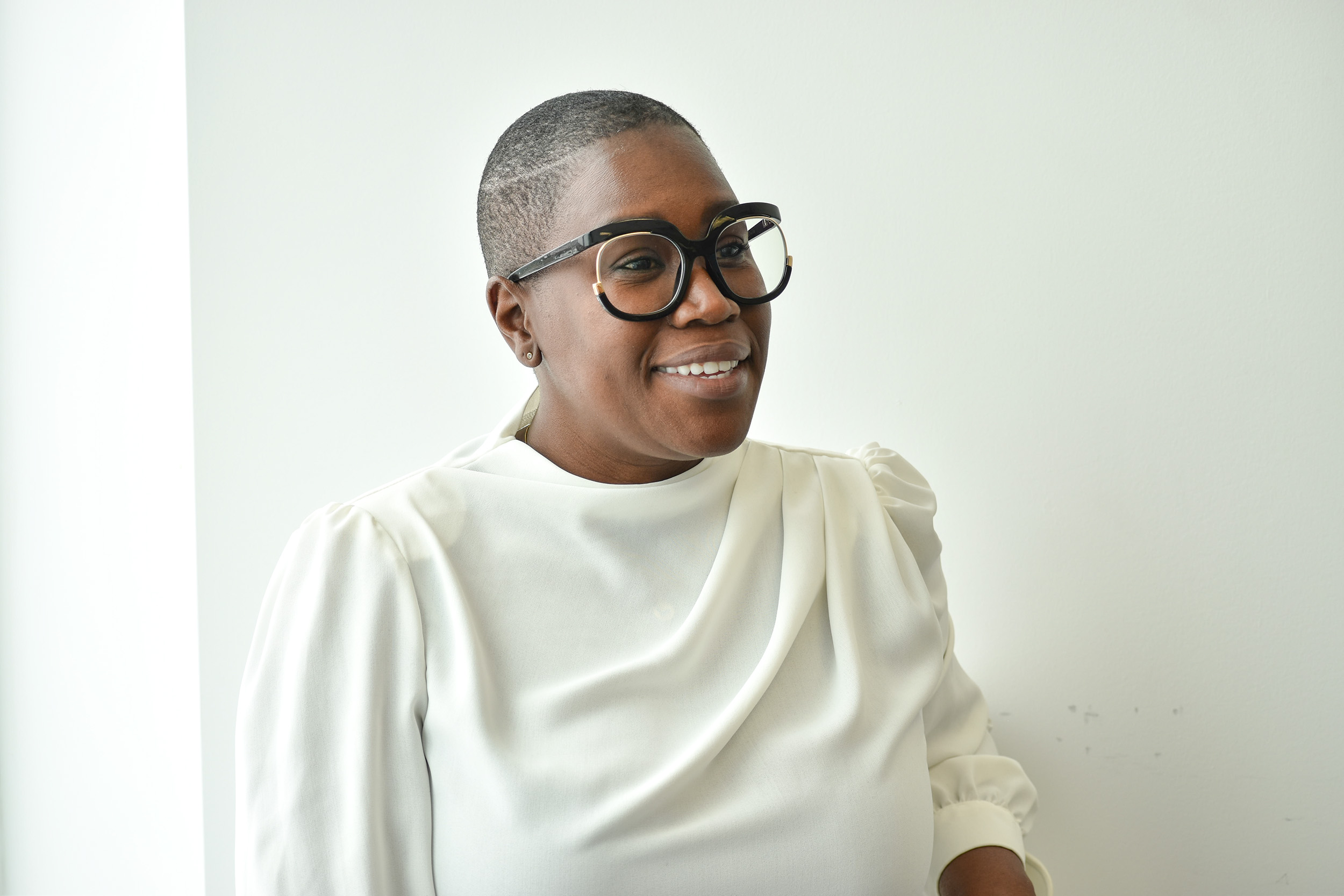
Travailler aux côtés de la Dre Julie
Bruneau depuis les débuts du CRISM, Aïssata Sako, quitte cette année la direction du Node. L’empreinte durable de sa rigueur et de son excellence continuera de façonner l’identité du Québec Node.
Nous la remercions chaleureusement pour le leadership dont elle a fait preuve et pour tout le travail accompli afin de soutenir le succès du Node et de ses initiatives.
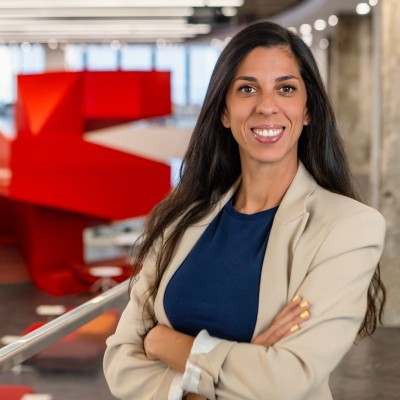
Fatma Boulouednine assumera désormais la responsabilité de la gestion du nœud québécois. Titulaire d’un doctorat en pharmacie et d’un MBA, elle apporte une vaste expérience en recherche et innovation en santé.
Reconnue pour son leadership dans la collaboration intersectorielle et
grâce à son expertise en gestion de projet et partenariats stratégiques, Fatma soutiendra la continuité, le développement et la visibilité du Node et de son équipe.
En regardant vers l’avenir
Bien que les rôles de direction évoluent, la mission du Node québécois demeure inchangée. Alors que nous reconnaissons les contributions de ceux qui ont contribué à bâtir et renforcé le Node et que nous accueillons ceux qui guideront son prochain chapitre, nous avons hâte de continuer à faire progresser la recherche, la mobilisation des connaissances et la collaboration dans le domaine de la consommation de substances et de la dépendance à travers le Québec et le Canada.